
 Available in US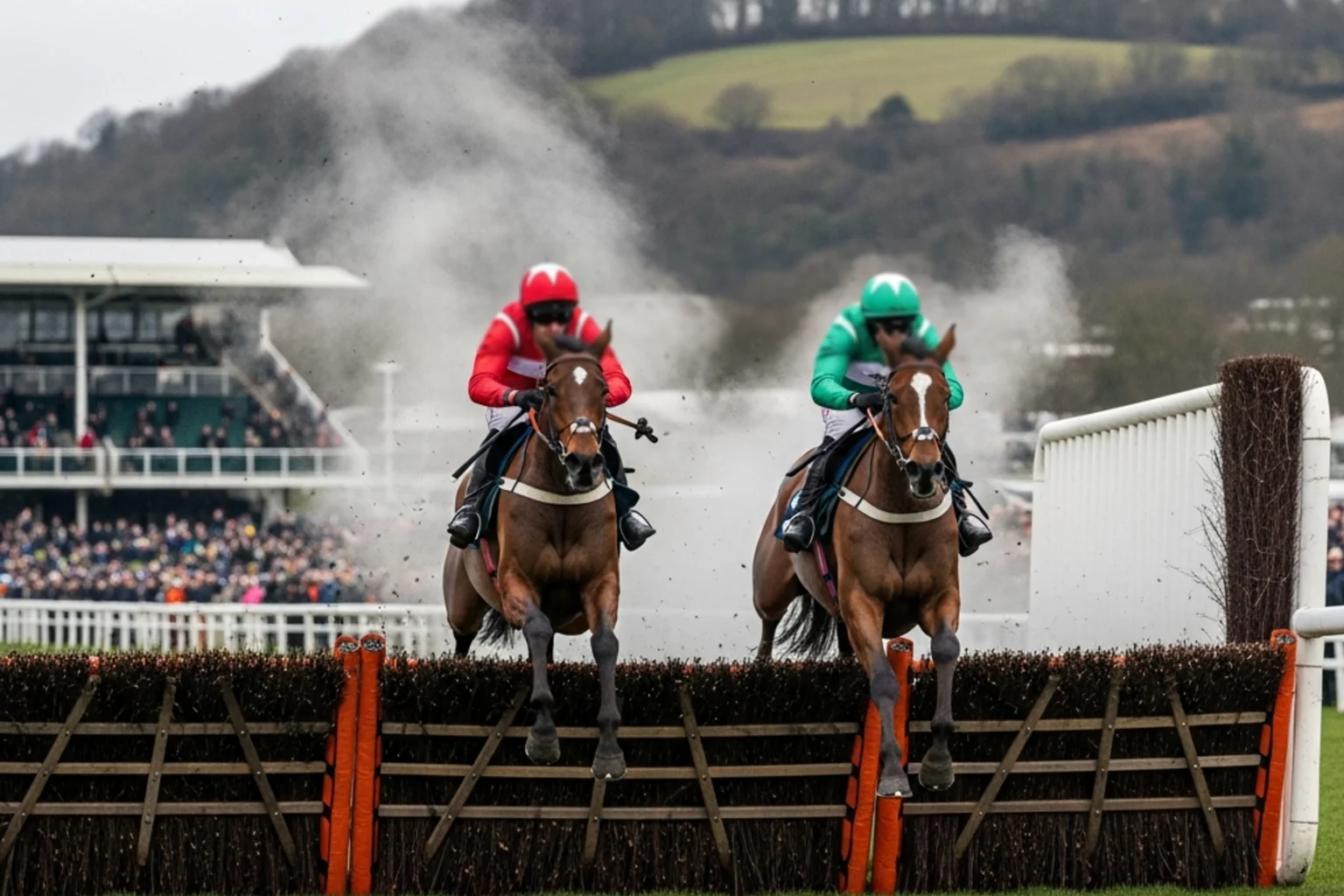
Trial races are the ante-post bettor’s closest thing to certainty — and certainty, in this business, is relative. A trial does not guarantee that a horse will run in its target race, or that it will reproduce the same performance on the day. What it does is narrow the range of possibilities. Before the trial, you are guessing. After it, you are estimating. That shift — from guesswork to informed assessment — is what makes trials the single most important input into ante-post decision-making. It is also why the market moves so violently in their aftermath.
Why Trials Matter
A trial race serves three functions for the ante-post market. First, it tests a horse’s fitness. A horse that has been off the track for months may look well at home but underperform on race day. The trial answers the question: is this horse race-fit? Second, it establishes or updates the form line. A horse that beats a subsequent Festival winner in a January trial is establishing a form credential that the ante-post market must absorb. Third — and often most importantly — it signals trainer intent. A trainer who runs a horse in a specific trial is telling the world, explicitly, which target race the horse is being aimed at.
The BHA’s 2025 data showed that turnover at Premier fixtures held steady or grew, even as midweek meetings declined sharply. The trial races — many of which fall on Premier Saturday cards — are the engine rooms of the ante-post market. They generate the form, the quotes, the market moves, and the betting volume that sustain the ante-post ecosystem through the winter.
Key NH Trials
National Hunt trials follow a predictable calendar that the ante-post bettor should know by heart. November opens with the Betfair Chase at Haydock — the first serious Gold Cup trial of the season — and the BetVictor Gold Cup at Cheltenham, a handicap that provides form lines for several Festival races. The Ladbrokes Trophy at Newbury in late November or early December is a marathon handicap chase that functions as a Grand National form reference.
December brings the King George VI Chase at Kempton on Boxing Day and the Christmas meetings at Leopardstown, which showcase the Irish challengers. January is the critical month: Cheltenham’s Trials Day in late January features the Cotswold Chase (Gold Cup trial) and the Cleeve Hurdle (Stayers’ Hurdle trial). A week later, the Dublin Racing Festival at Leopardstown stages the Irish Gold Cup, the Deloitte Hurdle, and several novice events that feed directly into Cheltenham’s ante-post markets.
The connection between trial performance and ante-post movement is direct and measurable. Across the last five Cheltenham Festivals, the average starting-price favourite has won roughly 32% of the time. But among those favourites, a disproportionate number had their Festival favouritism confirmed — or in many cases, established — by a strong trial run in the preceding weeks. The trial is the bridge between ante-post speculation and ante-post confidence.
Key Flat Trials
Flat trials operate on a compressed timeline. The Classic season runs from late April (2,000 and 1,000 Guineas) through early June (Derby and Oaks) to September (St Leger), and the major trials fall in the weeks immediately before each Classic. The Craven Stakes at Newmarket and the Greenham at Newbury are the primary Guineas trials. The Dante at York and the Lingfield Derby Trial are the Derby’s key prep races. The Musidora at York serves the same function for the Oaks.
Because flat ante-post markets often rely on juvenile form from the previous autumn, the spring trials carry outsized importance. A horse that was 20/1 for the Derby based on an unbeaten juvenile record can become 5/1 after a dominant Dante performance — or drift to 50/1 after a disappointing reappearance. The information density of a single trial run on the flat can be higher than anything produced by months of jump racing form, because the form book for three-year-olds is so much thinner.
The timing implication for ante-post bettors is clear: flat ante-post markets are best engaged in two windows. The first is the autumn, when juvenile form is fresh and prices are at their widest. The second is the two to three weeks between the trials and the Classic declarations. Between those windows — the dead zone of winter, when no flat racing of consequence takes place — the ante-post flat market is static and illiquid. Betting into it generates exposure without generating information.
Reading Form Between Trials and Target
A trial win does not automatically validate an ante-post bet. The quality of the trial matters. A horse that wins a Cotswold Chase with four moderate opponents has proved less than one that finishes a close second in a Dublin Racing Festival race against genuine Festival contenders. The ante-post market knows this — or should — but the emotional pull of “winner” versus “runner-up” often distorts the immediate price reaction.
What to look for in a trial performance: margin of victory (or proximity to the winner), the quality of the beaten field, the going conditions relative to what is expected at the target meeting, the jockey’s ride (was the horse pushed out or given a quiet run?), and the trainer’s post-race comments. A trainer who says “he needed that” after a narrow trial win is telling you the horse has improvement to come. A trainer who says “I was delighted with him” after a defeat is telling you the target race remains the plan despite the result.
Public Gallops and Work Reports
Trials are not the only source of ante-post intelligence. Public gallops — where horses exercise on a racecourse under race-like conditions — provide visual evidence of fitness and ability that the form book cannot capture. Cheltenham’s Festival Trials and the Newmarket public gallops are the most closely watched, with bookmakers sending observers and media organisations covering the sessions live.
Work reports from racing journalists — particularly those with access to training yards — offer a further layer. A report that a horse “worked impressively” at a private session may move the ante-post market, even though the evidence is second-hand and unverifiable. The reliability of these reports varies. Established correspondents for the Racing Post or At The Races carry more weight than anonymous social media accounts, and the ante-post bettor should calibrate their response accordingly.
The danger with gallop reports is confirmation bias. If you have already backed a horse ante-post, a positive gallop report will feel like validation. A negative one will feel like noise. The disciplined approach is to treat gallop intelligence as one data point among many — useful, not decisive. The trial race, with its public result, official time, and visible form line, remains the gold standard for ante-post confidence. Gallop reports fill the gaps between trials, but they do not replace them.
One final point on information sources: the quality of available data is improving year on year. Sectional times, GPS tracking, and independent speed figures now supplement the traditional form book at many British courses. These tools are not yet widely used by recreational bettors, but they are increasingly accessible. An ante-post bettor who integrates sectional data from trial races — identifying which horses ran the fastest final two furlongs, which lost ground on the bend, which found more when asked — has a richer picture than the price alone conveys. The trial is the event. The data extracted from it is the edge.
Trial Races and Form — More on this topic at ante post betting.
See also Ante Post Betting Case Studies.
